Posts Tagged by matt anderson


Ford Motor Company devoted its employees and manufacturing facilities to military production during both of the 20th century’s world wars. Ford’s efforts in World War I were slow to start, given Henry Ford’s outspoken opposition to the conflict, but once the United States declared war on Germany in April 1917, the automaker rose to the challenge. Over the next two years, Ford built passenger cars, supply trucks, aircraft engines, gun caissons, tanks, helmets and body armor. Ironically, one of Ford’s best-known wartime products, the Eagle anti-submarine boats, never saw action before the Armistice. However, the factory that built the Eagle boats subsequently became the core of Ford’s River Rouge plant.
Ford’s efforts for World War II were greater still. Like other American automakers, the company suspended all civilian production in February 1942. Ford famously turned out B-24 bombers at its Willow Run facility, but it also produced a variety of wheeled vehicles including jeeps, amphibious cars, armored cars, trucks and tanks. Ford’s non-vehicle production included military gear of every type, from aircraft engines to guns to helmets to tents.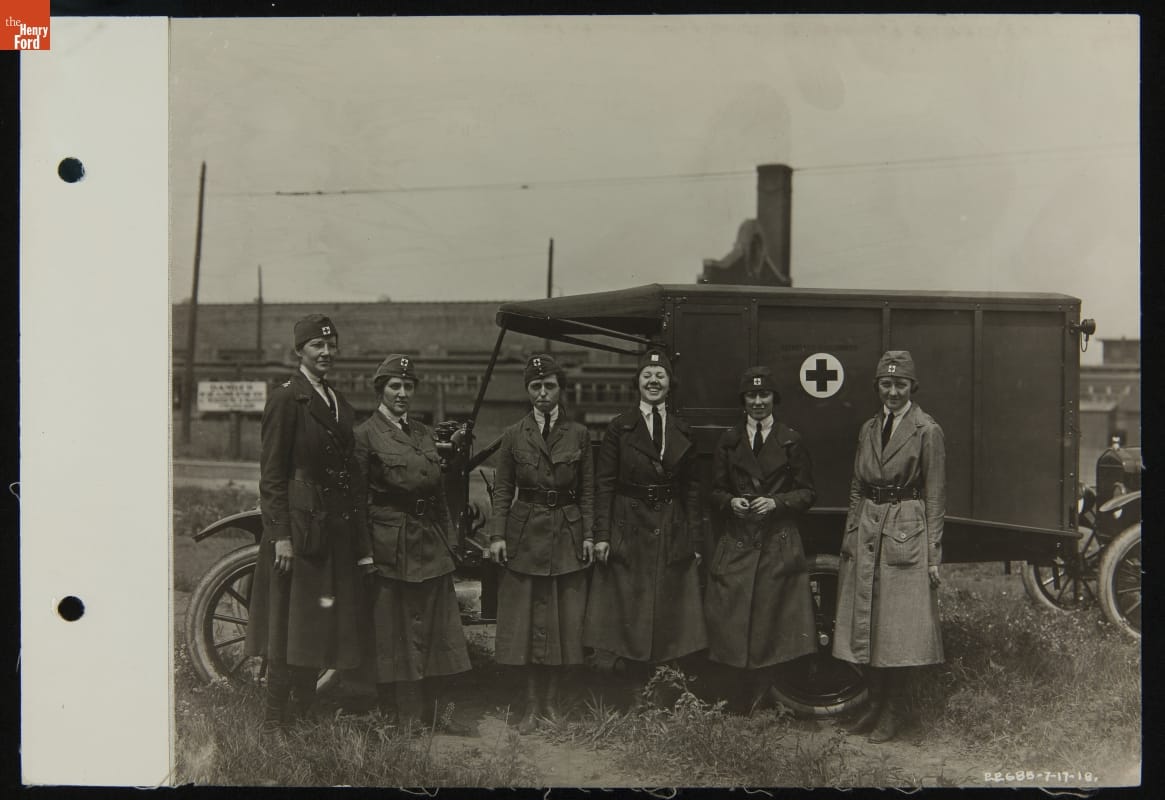
Red Cross Workers with a Ford Military Ambulance at the Highland Park Plant, 1918. THF 263442
Needless to say, ambulances were among the most crucial vehicles used in both wars. During World War I, Ford personal collaborated with the United States Surgeon General’s Office and frontline drivers to design a Model T-based ambulance ideal for battlefield conditions. The company donated $500,000 to the Red Cross, enabling the humanitarian organization to purchase nearly 1,000 vehicles for wartime use – including 107 ambulances. Beyond those Red Cross units, another 5,745 ambulances were built for the Allied armies.
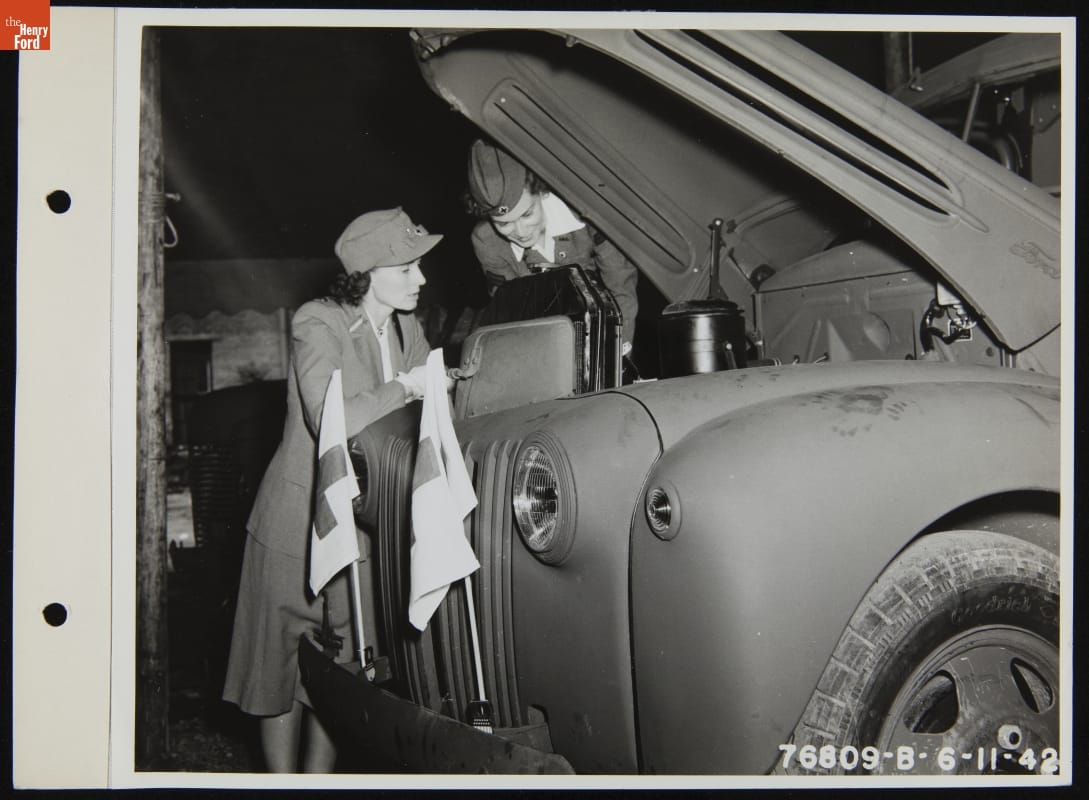
Red Cross Motor Corps members took classes in auto maintenance. These women are checking under a Ford ambulance’s hood in 1942. THF 265816
Dodge produced most of the frontline ambulances used by American forces in World War II, but Ford units were active on the homefront. The Red Cross’s Motor Corps, established in World War I, rendered important service during the Second World War as well. Corps drivers working in the United States ferried Red Cross staff and supplies, couriered packages and messages, and occasionally stepped in to assist with Army and Navy transportation needs. An estimated 45,000 women were active in the Motor Corps during World War II. Corps members generally drove their personnel vehicles in this service, but Ford-built ambulances were also used in the transport of the sick and wounded.
In honor of National Red Cross Month, take a look at our digital collections to see more artifacts related to the organization.
Matt Anderson is Curator of Transportation at The Henry Ford.
manufacturing, 1940s, 1910s, 20th century, World War II, World War I, healthcare, Ford Motor Company, cars, by Matt Anderson
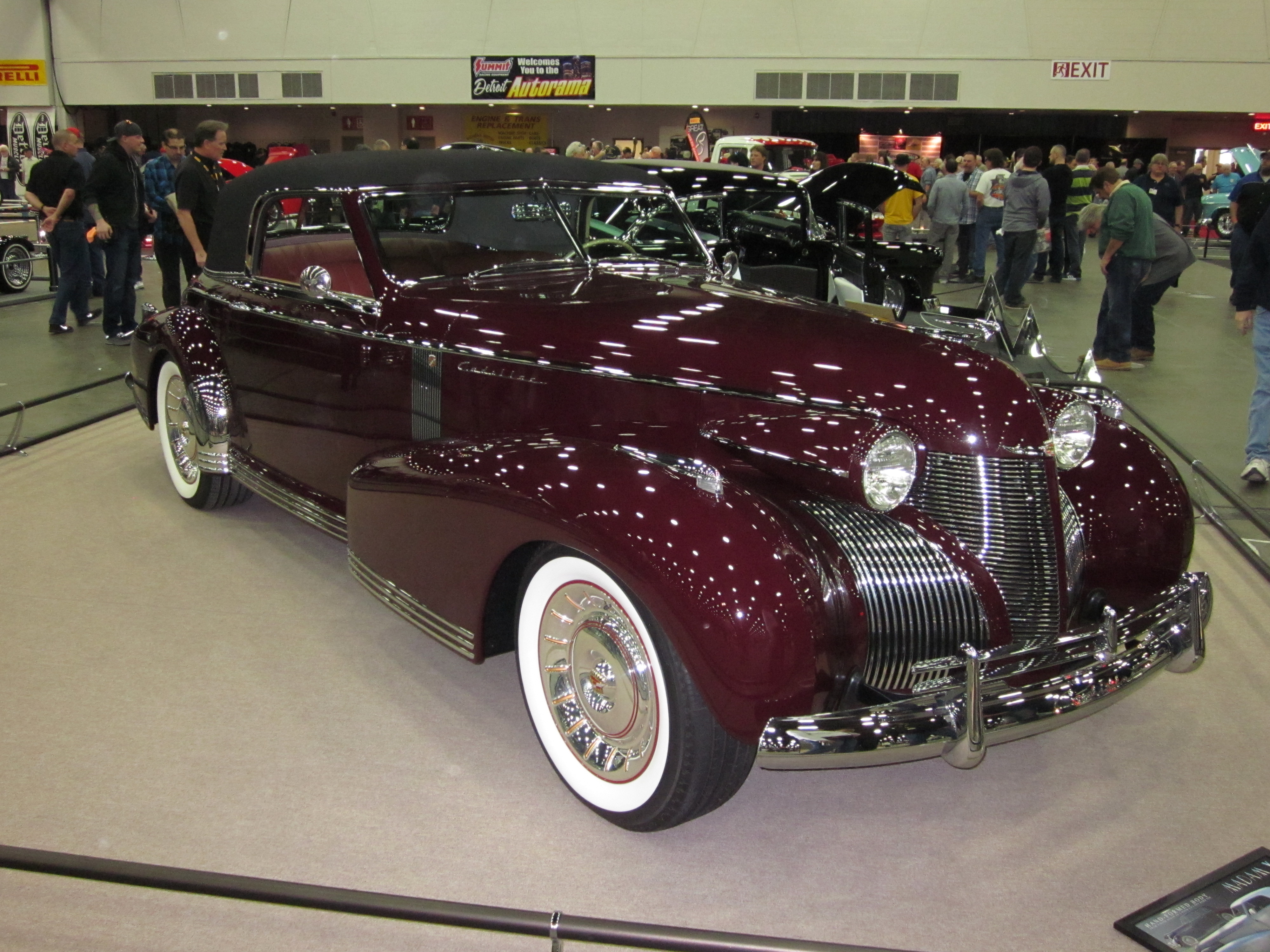
“Madam X,” a 1939 Cadillac Sixty Special and one of the stars of the 2017 Detroit Autorama.
The car show season usually feels far away in late February. (Usually. Maybe not this year, when Detroit temperatures have already approached 70 degrees.) But the weekend of February 24-26 brought us a tease of the top-down, volume-up cruising weather to come. More than 800 cars filled Cobo Center for the 65th annual Detroit Autorama, among the most important shows in the hot rod and custom car hobby.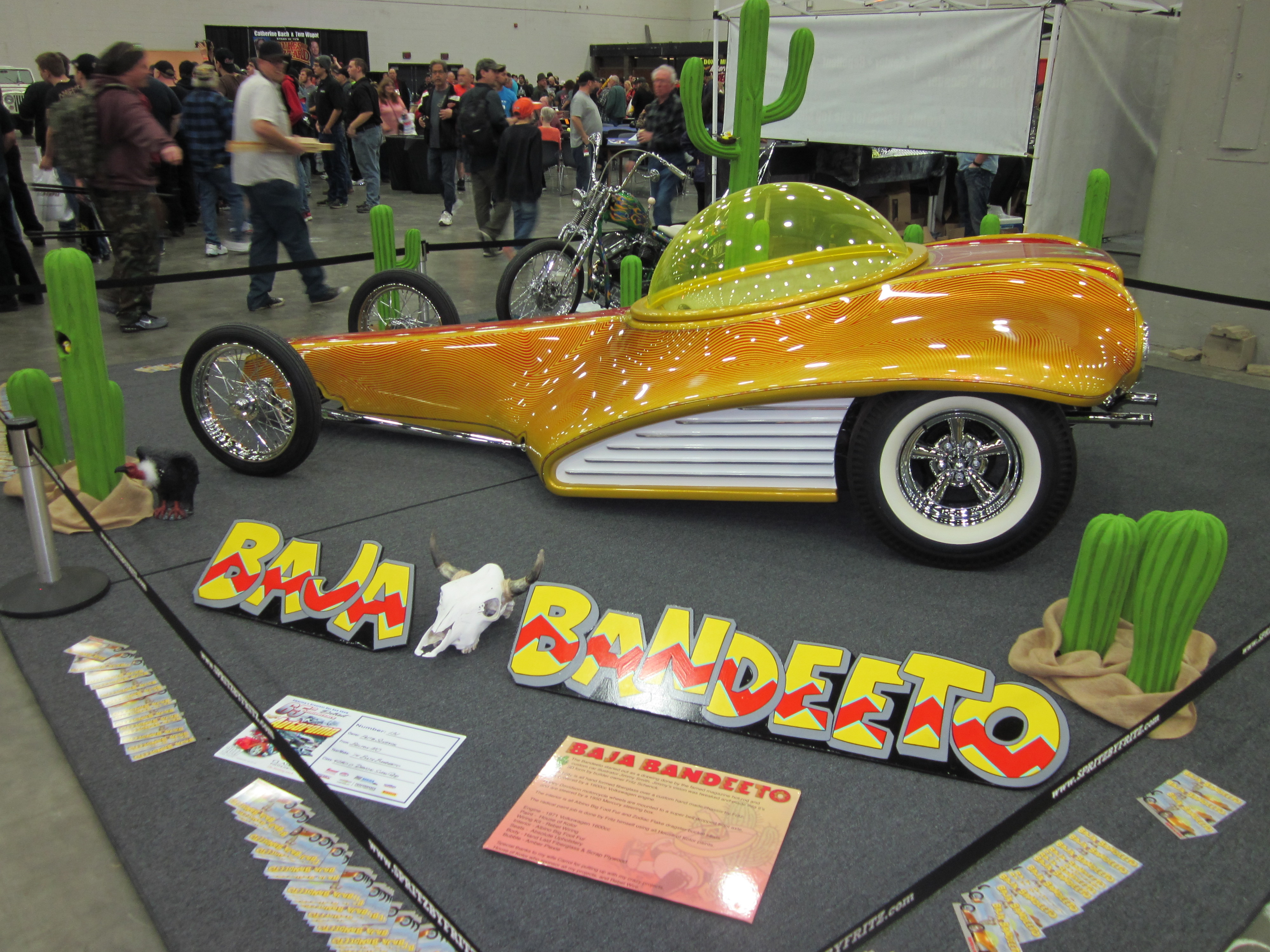 The VW Beetle-based “Baja Bandeeto,” showing that presentation is everything.
Naturally, Autorama doesn’t simply open the doors to kick off the event. No, it starts with something special. This year launched with a nod to The Dukes of Hazzard, the downhome television series that undoubtedly influenced every Autorama participant born between 1970 and 1980. The Northeast Ohio Dukes stunt show team patched together a derelict Dodge Charger, gave it the necessary orange paint, and jumped it 134 feet over Atwater Street, just outside Cobo Center. The flight was fantastic, but the landing… well, that Charger needs more care than Cooter Davenport can give it if it’s ever going to fly again.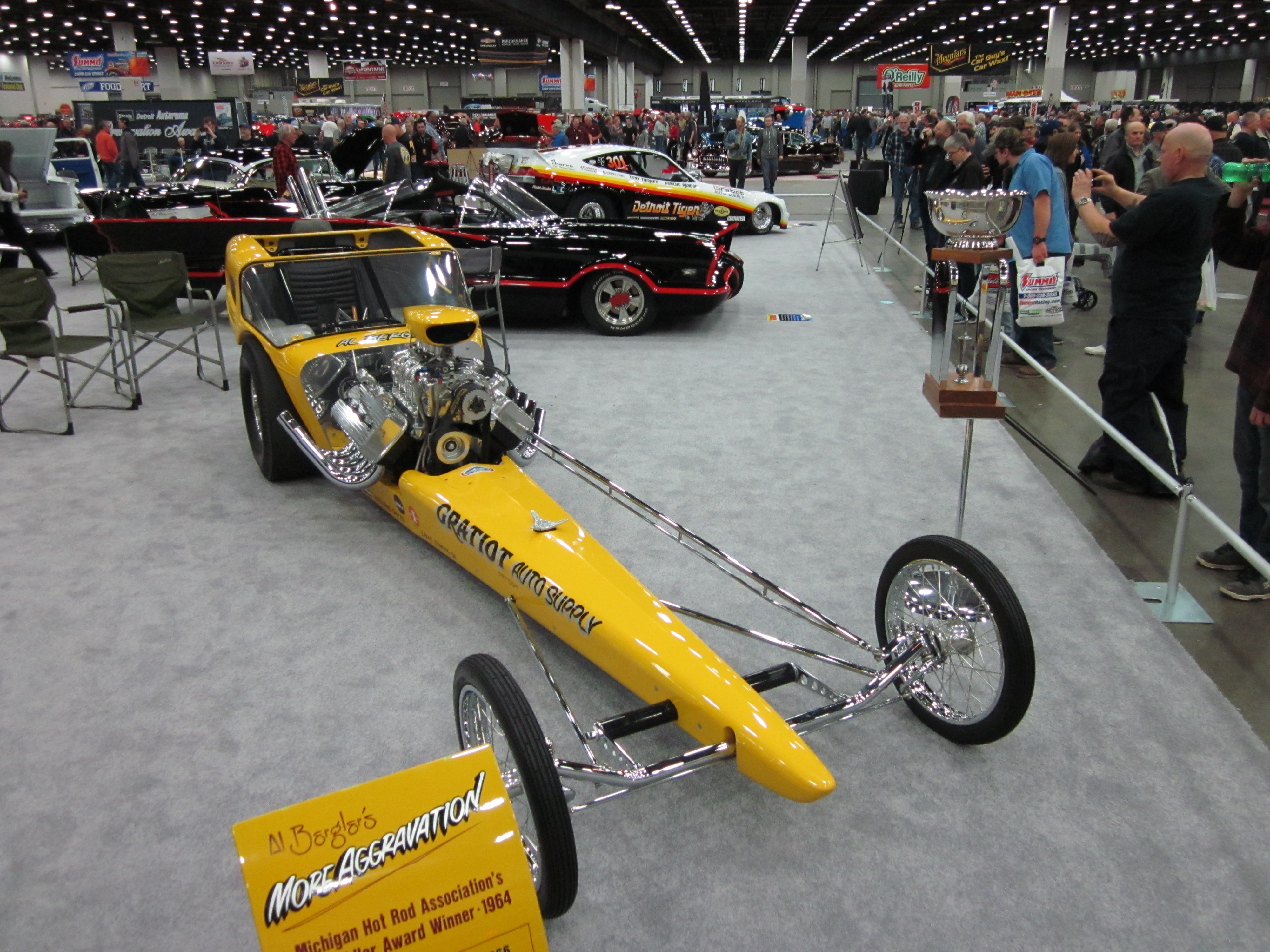 “More Aggravation,” recipient of the very first Ridler Award in 1964.
Autorama’s top prize is the revered Ridler Award, named for early show promoter Don Ridler. Qualifying cars cannot have been shown publically prior to Autorama. Judges announce their “Great 8” – the eight finalists – at the Ridler’s Ball on Friday night. For the rest of the weekend, anticipation builds until the winner is revealed at the end of Sunday’s awards ceremony. The winning owner earns a small piece of immortality, with her or his name forever engraved on the trophy and added to the Winner Archive, and a not-so-small chunk of change in the form of $10,000. This year’s Ridler Award went to “Renaissance Roadster,” a scratch-built 1933 Ford powered by a GM big-block 427 crate engine.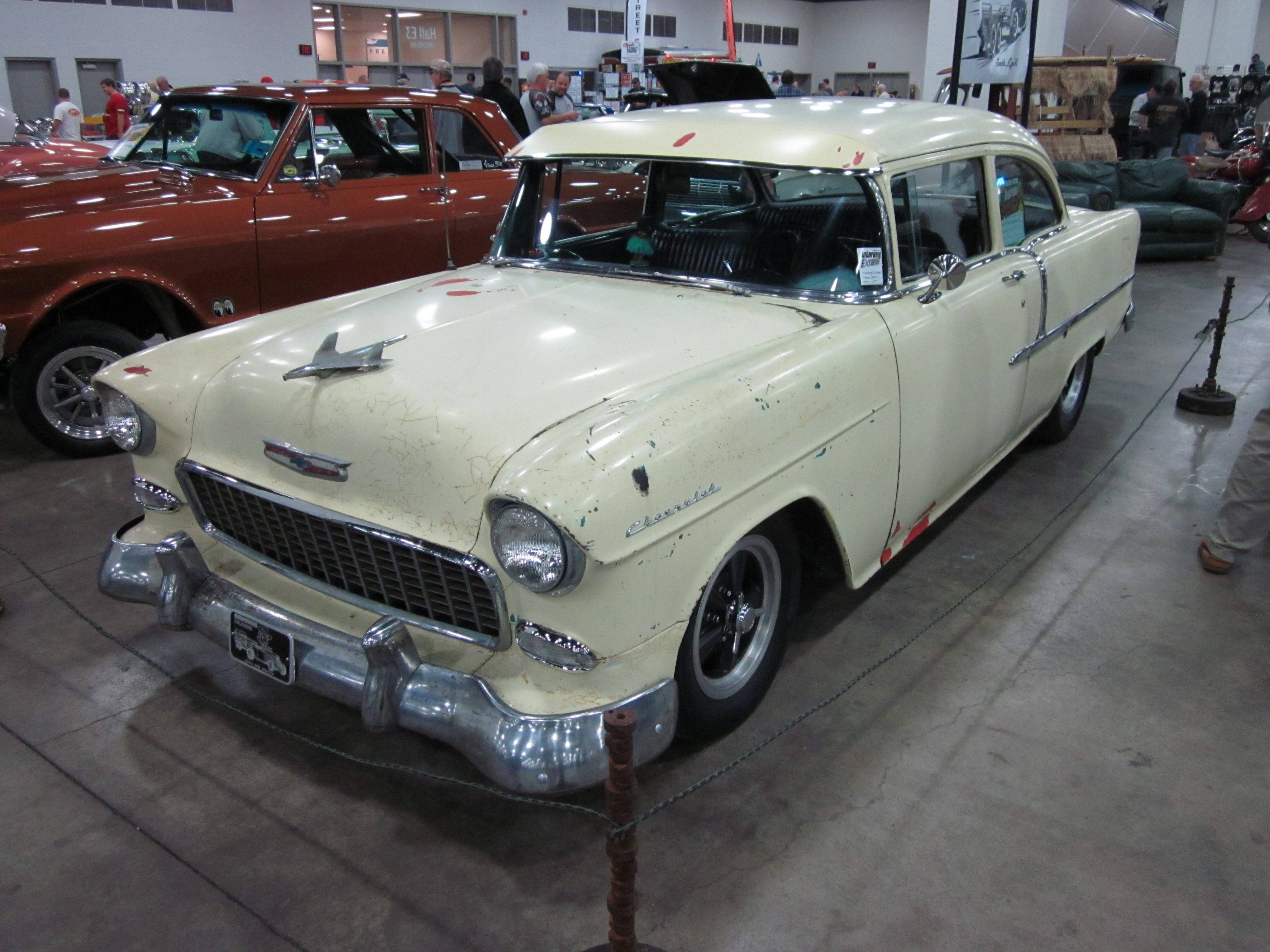 One of the Rat Rods – the deliberately under-restored cars – that populated Autorama Extreme on Cobo Center’s lower level. Even in this condition the ’55 Chevy’s inherent beauty shines through.
For the fourth year, The Henry Ford presented its Past Forward award. With the prize, we look to honor a car that 1.) Combines traditional inspirations with modern innovations, 2.) Exhibits a high level of skill in its construction, 3.) Captures the “anything goes” attitude of the hot rod and custom car hobbies, and 4.) Is just plain fun.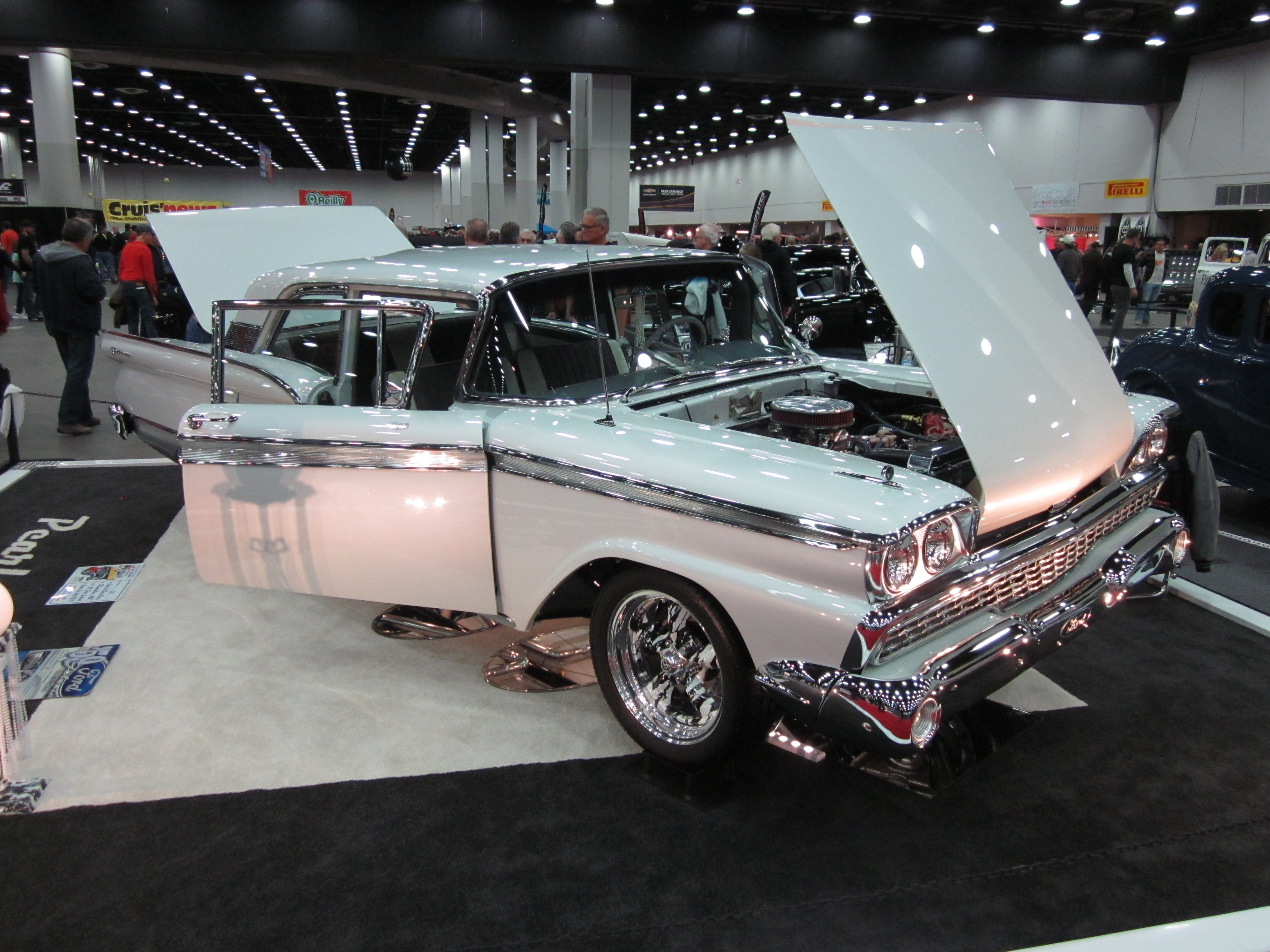 “Pearl Necklace,” winner of The Henry Ford’s Past Forward award for 2017.
For 2017, we found all of those qualities in “Pearl Necklace,” a 1959 Ford Galaxie 500 built and owned by John Oberg and Roy Oberg. Apart from the pearlescent paint that inspired its name, and the beautiful marbled wheels (with retro Ford Motor Company logos on the hubs), “Pearl Necklace” could almost pass for stock. But this Galaxie’s a sleeper. The 352 V-8 was bored out by .020 inches, the stock differential was replaced with a 3.73 gearset for faster launches, and the transmission was replaced with Ford’s rugged C6 automatic to handle extra torque. Not that the car was too shabby even when originally built. Plaques on the door proudly boast that it’s “Air Conditioned by Ford Select Aire,” a ritzy option that accounted for almost 20 percent of the original $2,500 sticker price!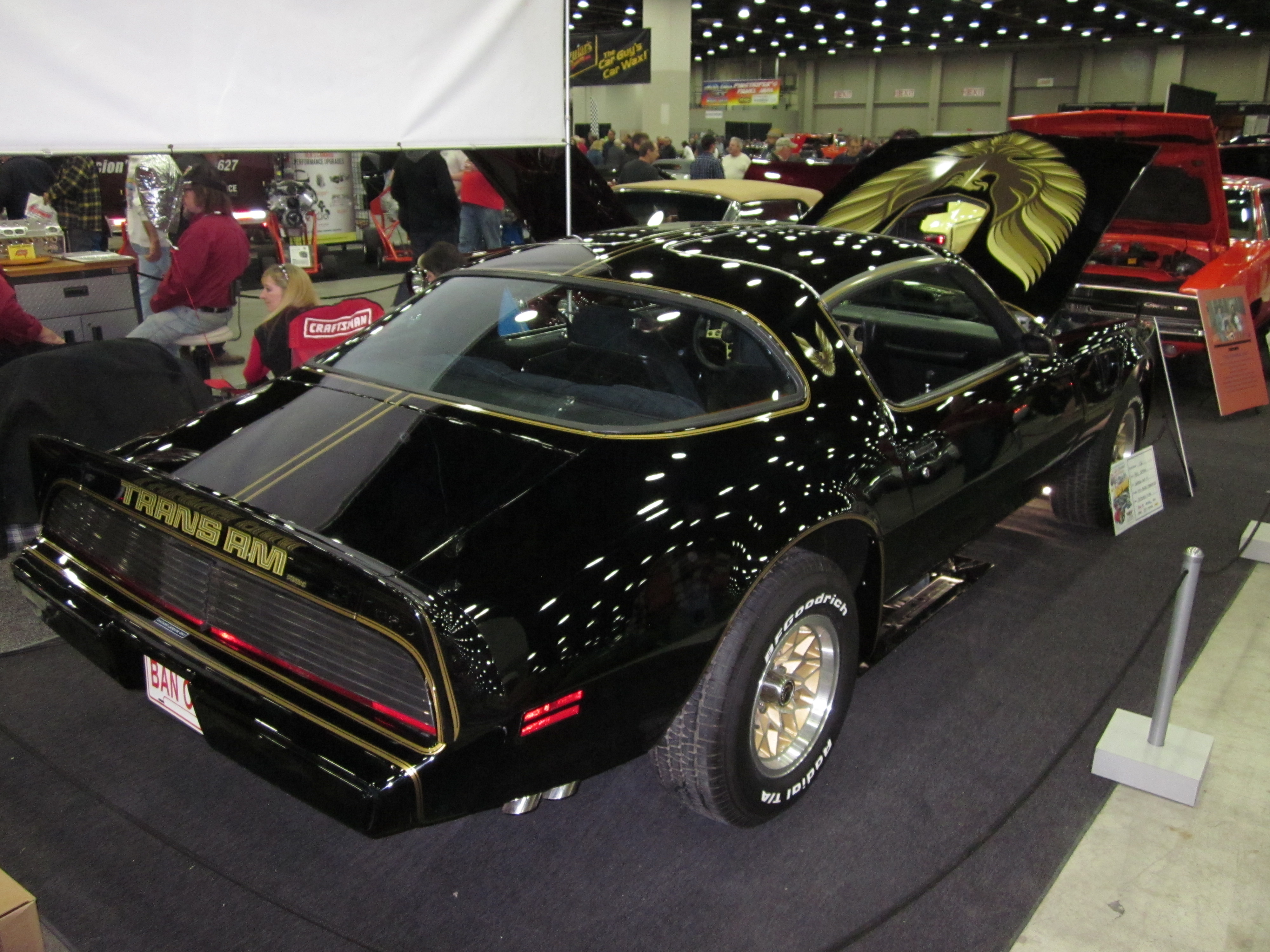 This 1979 Pontiac Firebird Trans Am was pointed west in Cobo Center, but it was eastbound in spirit.
But the best thing about “Pearl Necklace” was simply this: The car was a labor of love, built by John and Roy (with help from one or two friends) in a two-car garage over the course of 26 years. It’s that kind of dedication that makes a custom car special – and makes the Detroit Autorama a car show like no other.
Matt Anderson is Curator of Transportation at The Henry Ford.
21st century, 2010s, Michigan, Detroit, cars, car shows, by Matt Anderson, Autorama
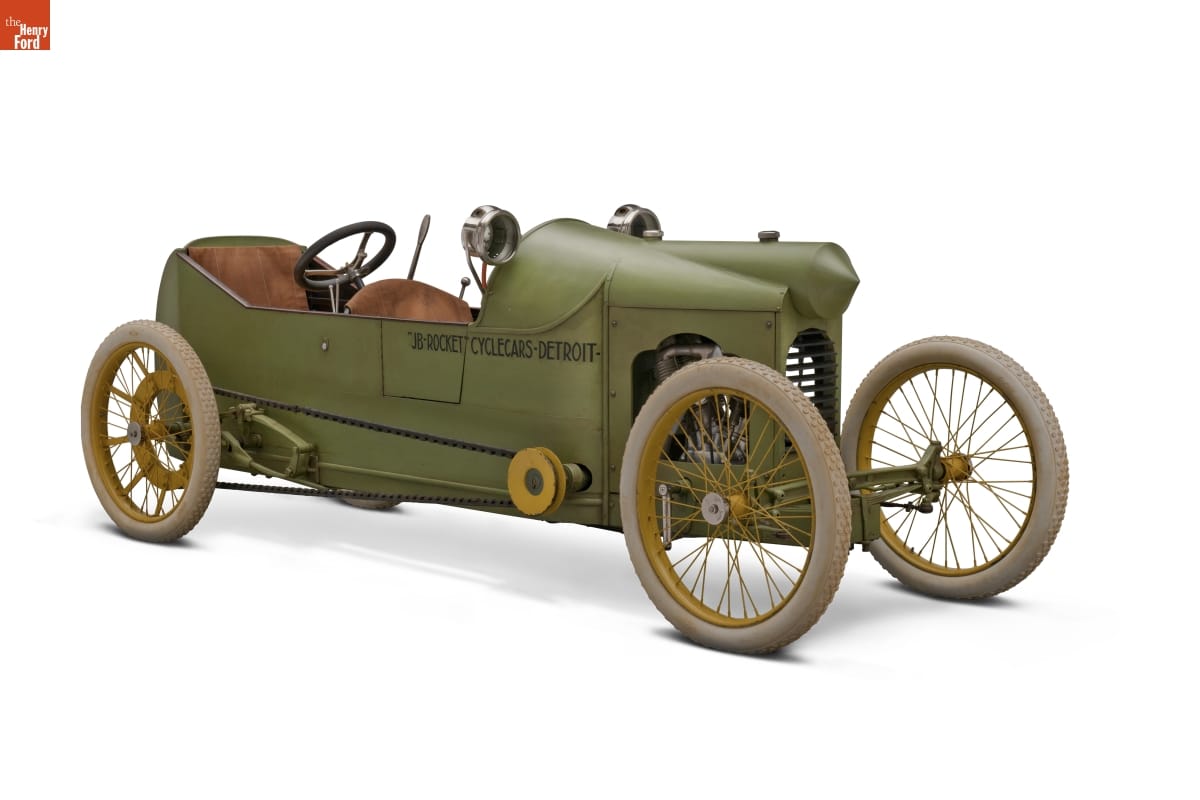
1913 Scripps-Booth Rocket
V-2 cylinder engine, air-cooled, 35 cubic inches displacement, 10 horsepower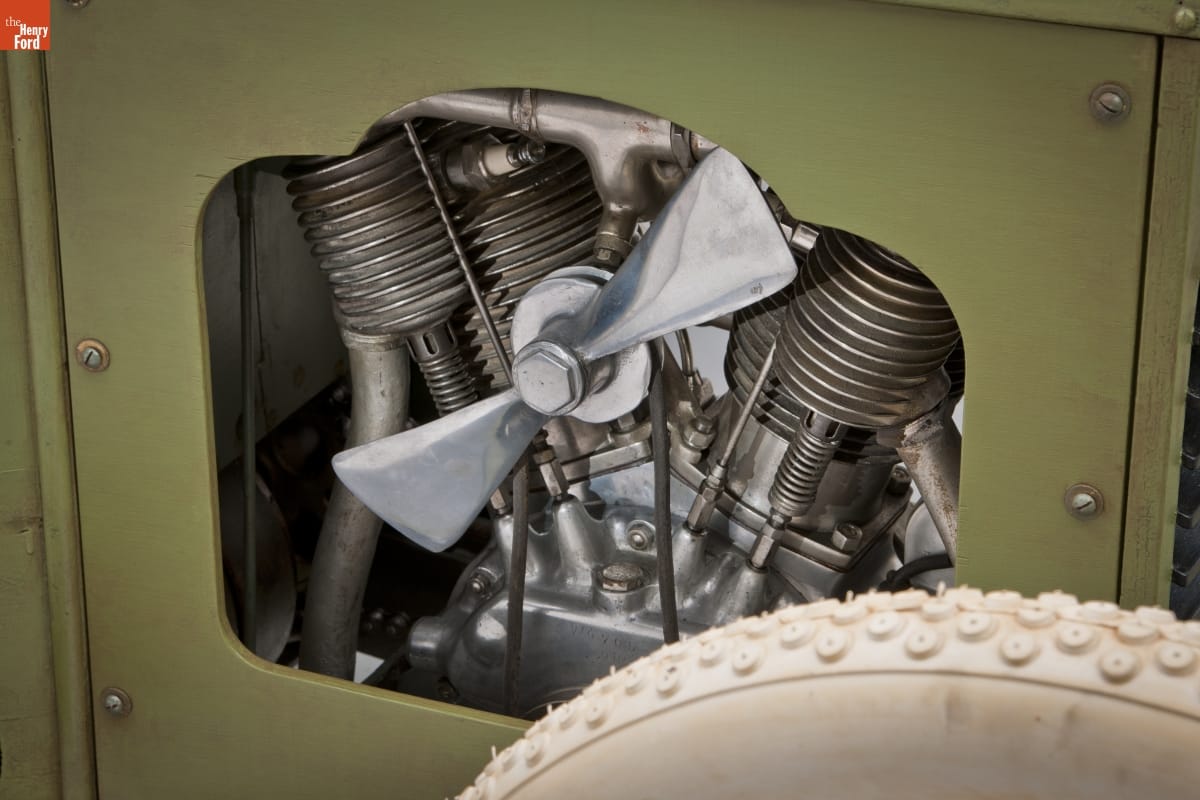
Inexpensive cyclecars, as the name suggests, often used motorcycle engines like the V-2 in this Scripps-Booth prototype. The air-cooled motor meant there was no need for water or a radiator, while the splash lubrication system eliminated the necessity for an oil pump. The prototype’s engine is mounted with its crankshaft parallel to the rear axle, simplifying the belt connections between transmission and wheels.
1910s, 20th century, Henry Ford Museum, Engines Exposed, engines, Driving America, cars, by Matt Anderson

I’ve already shared some thoughts on the 2017 North American International Auto Show, but one important new car wasn’t yet revealed during my visit last week. Of course, I’m talking about the LEGO Batmobile from Chevy.
My tastes in bat-transportation run more traditional, but Chevy has something going for it here. The LEGO Batmobile’s 20,000-horsepower rating makes it eight times as powerful as the Goldenrod land speed racer. Likewise, the V-100 engine’s 60.2-litre displacement is more than eight and a half times what it took for the Mark IV to win at Le Mans fifty years ago. The LEGO Batmobile’s styling achieves that rare combination of aerodynamic and exquisite, certain to turn heads on every street corner. Be sure to order the optional bat hood ornament – superior to anything by Lalique. (Besides, everybody knows that bats eat dragonflies.)
Continue Reading21st century, 2010s, toys and games, NAIAS, Michigan, LEGO, Detroit, cars, car shows, by Matt Anderson
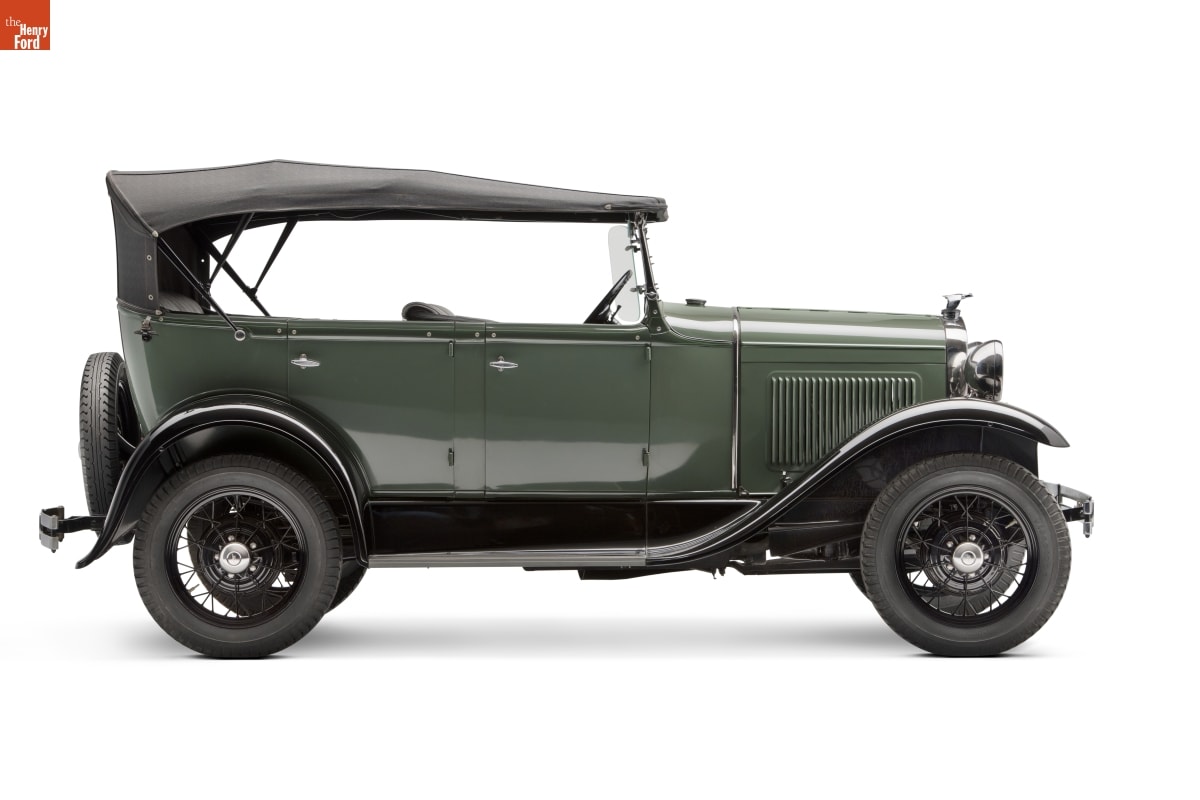
1930 Ford Model A
Inline 4-cylinder engine, L-head valves, 201 cubic inches displacement, 40 horsepower
Painting engine blocks is a long-standing tradition among automakers. In the 1960s, Ford favored blue while Chevrolet preferred orange. But green was Ford’s color of choice when this Model A came off the line. The black enameled pipe, running diagonally along the block just below the carburetor, returns surplus oil from the valve chamber back to the crankcase.
Matt Anderson is Curator of Transportation at The Henry Ford.
Michigan, 20th century, 1930s, Henry Ford Museum, Ford Motor Company, Engines Exposed, engines, Driving America, cars, by Matt Anderson
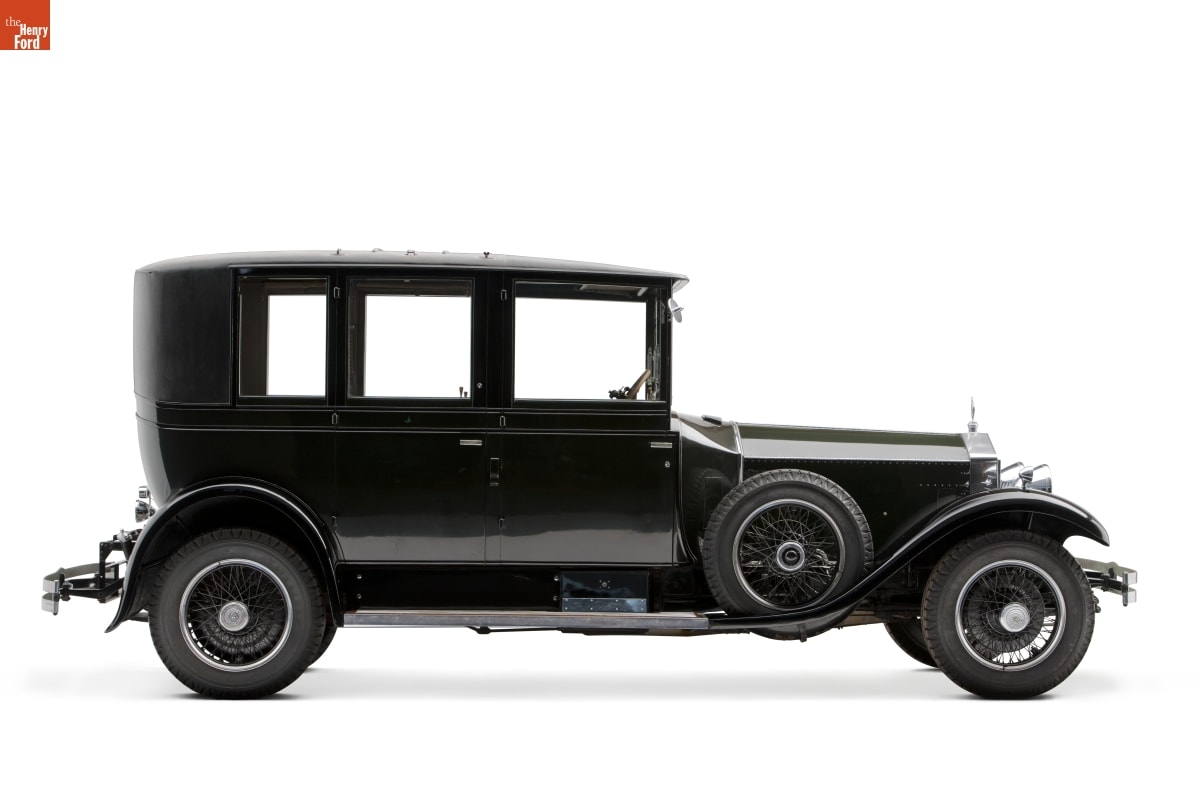
1926 Rolls-Royce New Phantom Limousine
Inline 6-cylinder engine, overhead valves, 468 cubic inches displacement, 108 horsepower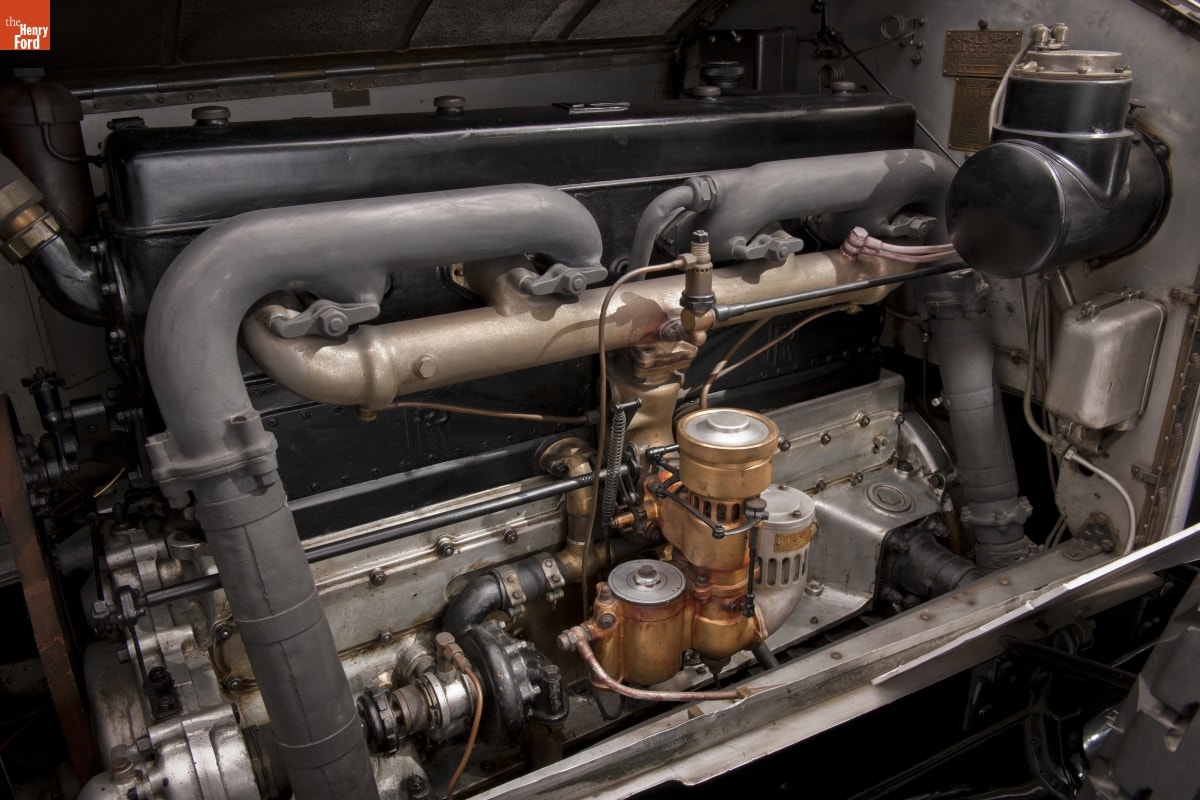
Rolls-Royce’s New Phantom engine, introduced in 1925, featured twin ignition with two spark plugs in each of its six cylinders. Those cylinders were cast in two sets of three, coupled by a one-piece cylinder head. Great Britain taxed automobiles based on cylinder bore. To reduce its tax penalty, the New Phantom engine was “undersquare” with its 4¼ -inch bore smaller than its 5½-inch stroke.
20th century, 1920s, Europe, luxury cars, limousines, Engines Exposed, engines, cars, by Matt Anderson
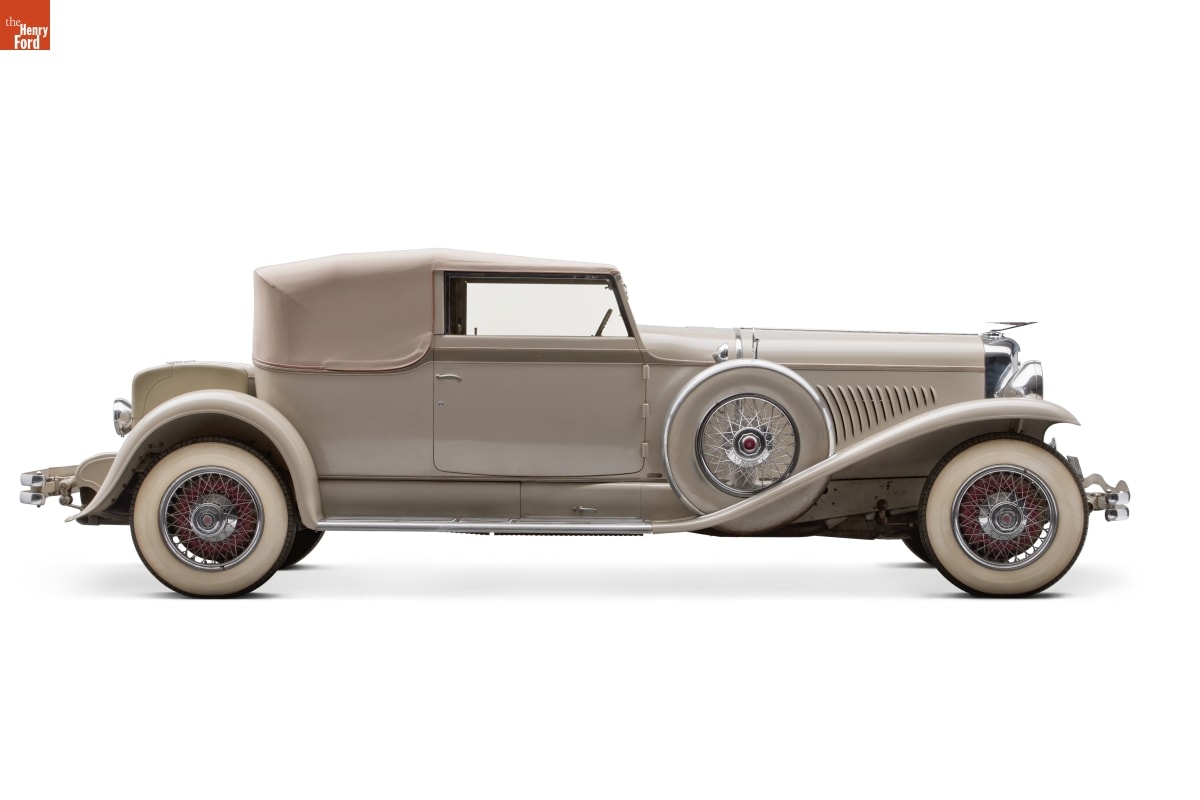
1931 Duesenberg Model J
Inline 8-cylinder engine, double overhead camshafts, 420 cubic inches displacement, 265 horsepower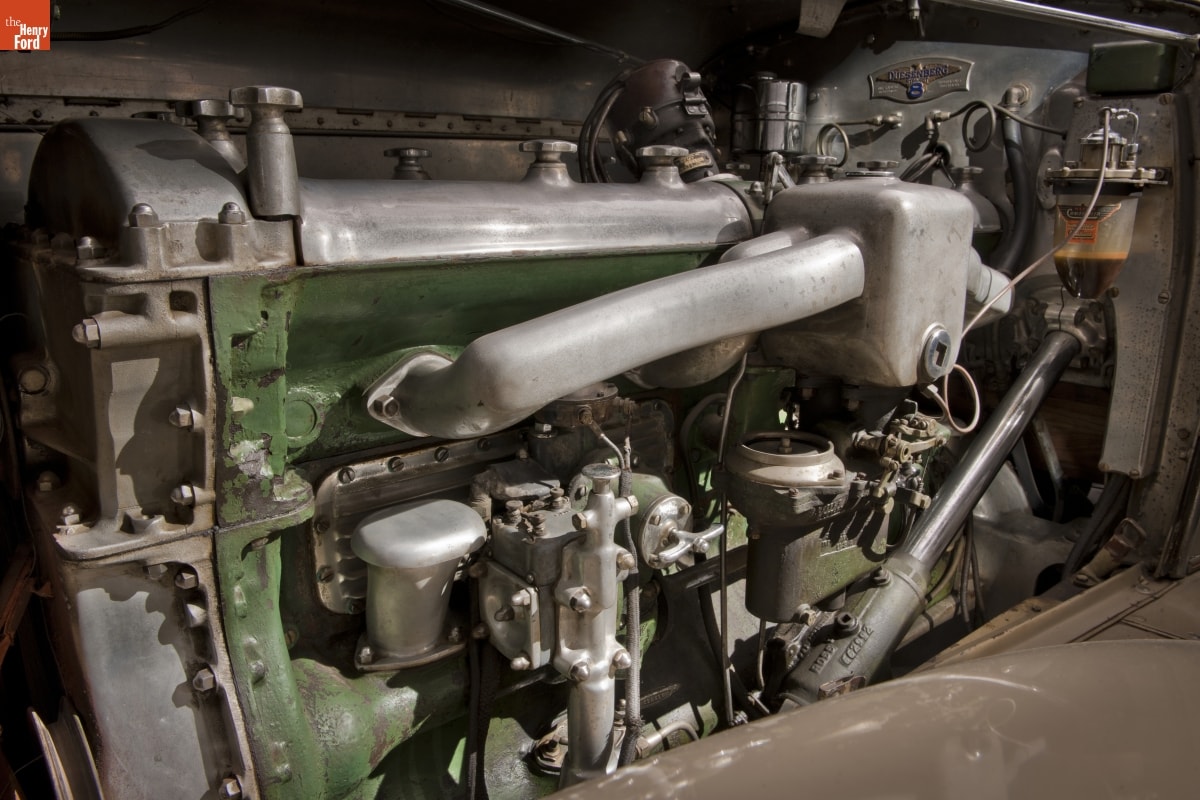
The Duesenberg is a beautiful automobile, and under the hood there’s plenty of go to match the show. The straight-8’s four valves per cylinder and duplex carburetor helped it pump out an enormous amount of horsepower for the time. (Later supercharged versions produced an astounding 320 horsepower!) The Model J could break 100 miles per hour without breaking a sweat.
Matt Anderson is Curator of Transportation at The Henry Ford.
20th century, 1930s, luxury cars, Engines Exposed, convertibles, cars, by Matt Anderson
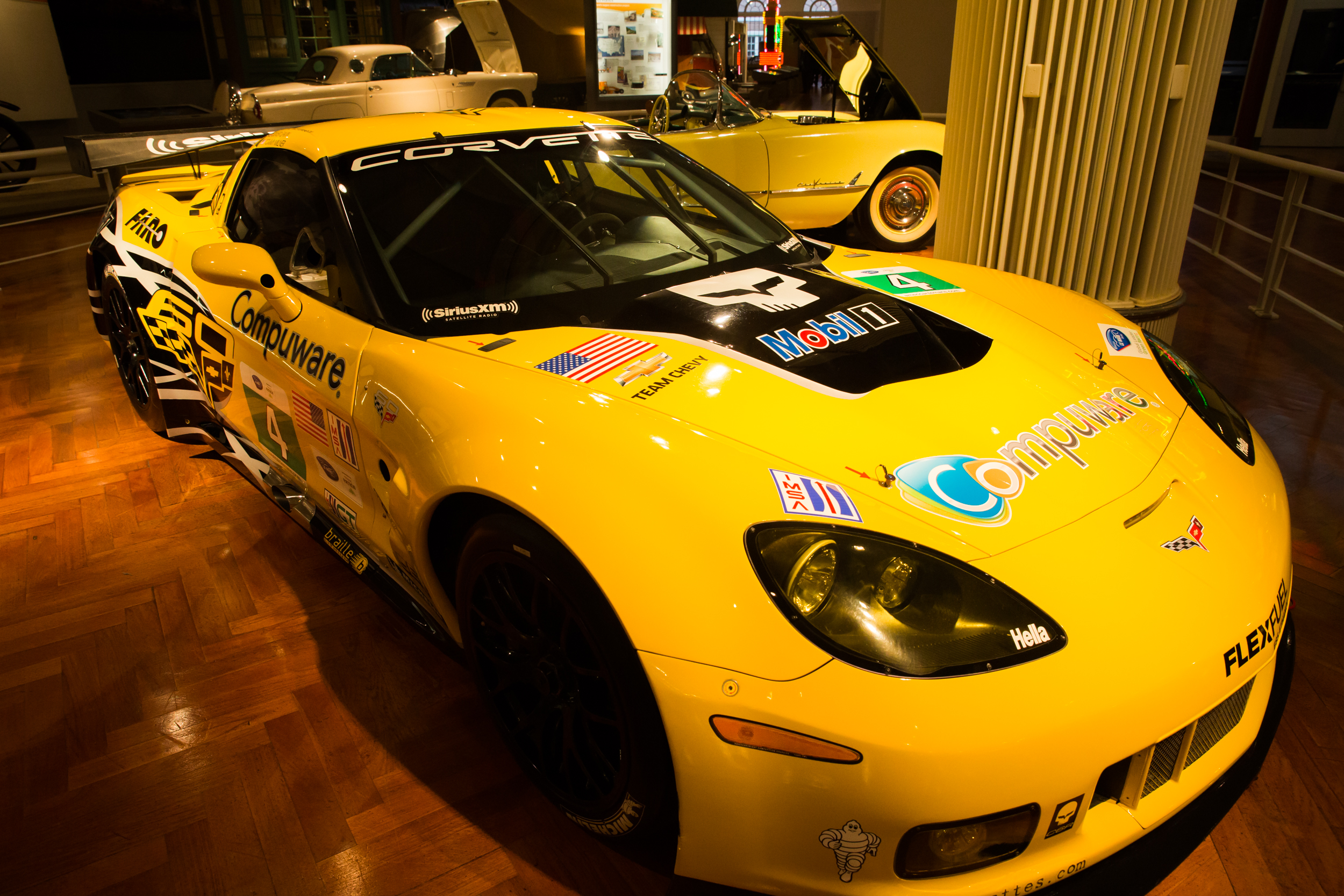
Visitors to Henry Ford Museum will notice something new in the Car Court at the center of our Driving America exhibit: a striking Chevrolet Corvette C6.R race car, on loan from our friends at the GM Heritage Center.
America’s sports car has a long and successful history on the race track, and this model – adapted from Corvette’s sixth styling generation – is no exception. From 2005 through 2013, C6.R racers racked up victories at France’s 24 Hours of Le Mans, as well as at the 12 Hours of Sebring and numerous other American Le Mans Series events.
Through May 2017, we’ll have the C6.R on display in a spot where it ought to feel right at home, between our own collection of record-setting race cars and our production version of Chevrolet’s 1955 Corvette. It’s a proud addition to Driving America.
Matt Anderson is Curator of Transportation at The Henry Ford.
21st century, 2010s, racing, race cars, Chevrolet, cars, by Matt Anderson
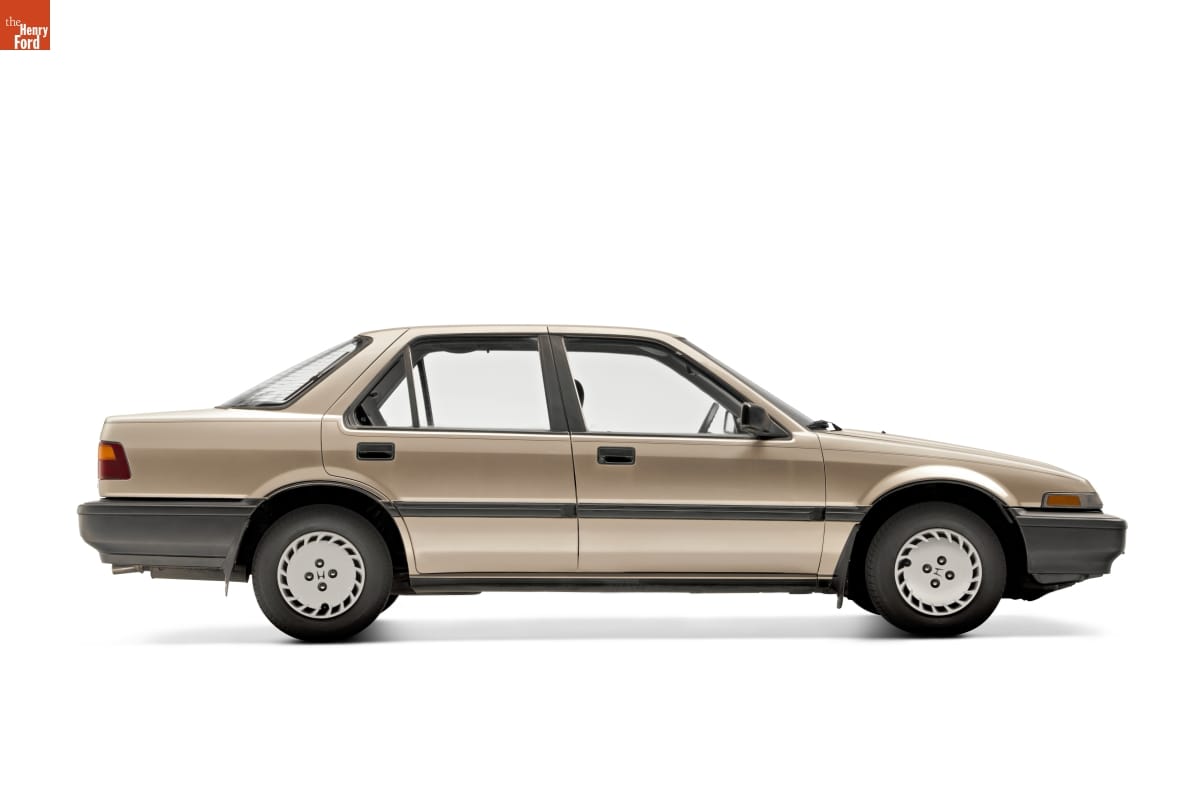
1989 Honda Accord
Inline 4-cylinder engine, overhead camshaft, 119 cubic inches displacement, 98 horsepower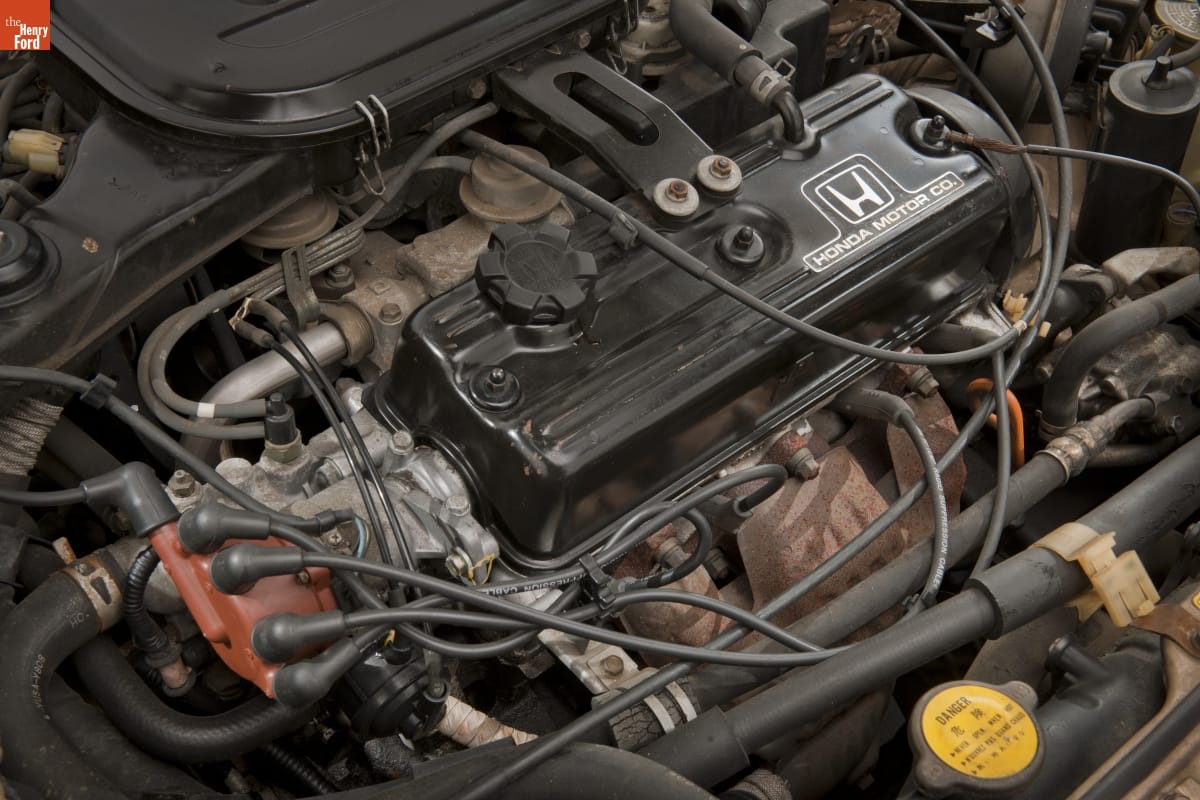
Using a front-wheel drive layout in a front-engine car allows for a compact design, but it requires some clever packaging under the hood. The Accord’s automatic transmission is combined with a differential into a single unit called a transaxle, mounted on the passenger side of the engine. The transverse-mounted engine has three valves per cylinder – two intake and one exhaust.
Matt Anderson is Curator of Transportation at The Henry Ford.
1980s, 20th century, Henry Ford Museum, Engines Exposed, engines, Driving America, cars, by Matt Anderson
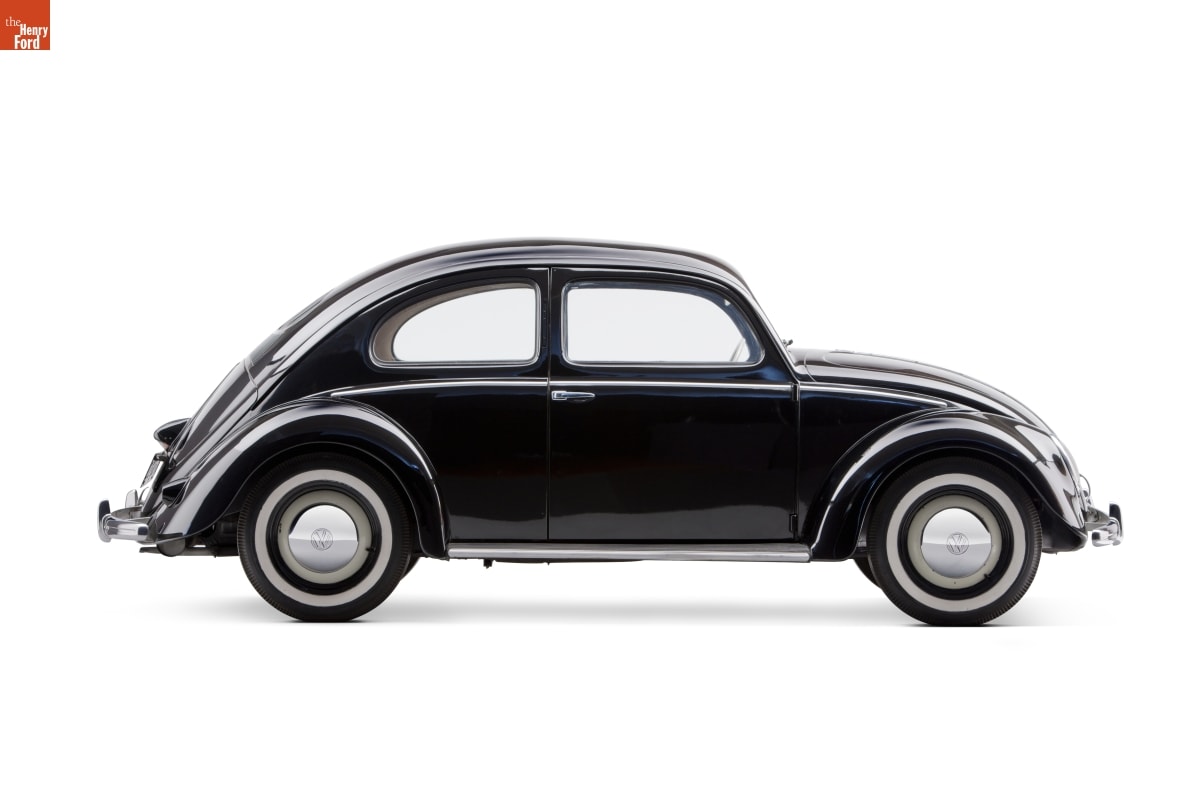
1949 Volkswagen
Horizontally opposed 4-cylinder engine, overhead valves, 69 cubic inches displacement, 30 horsepower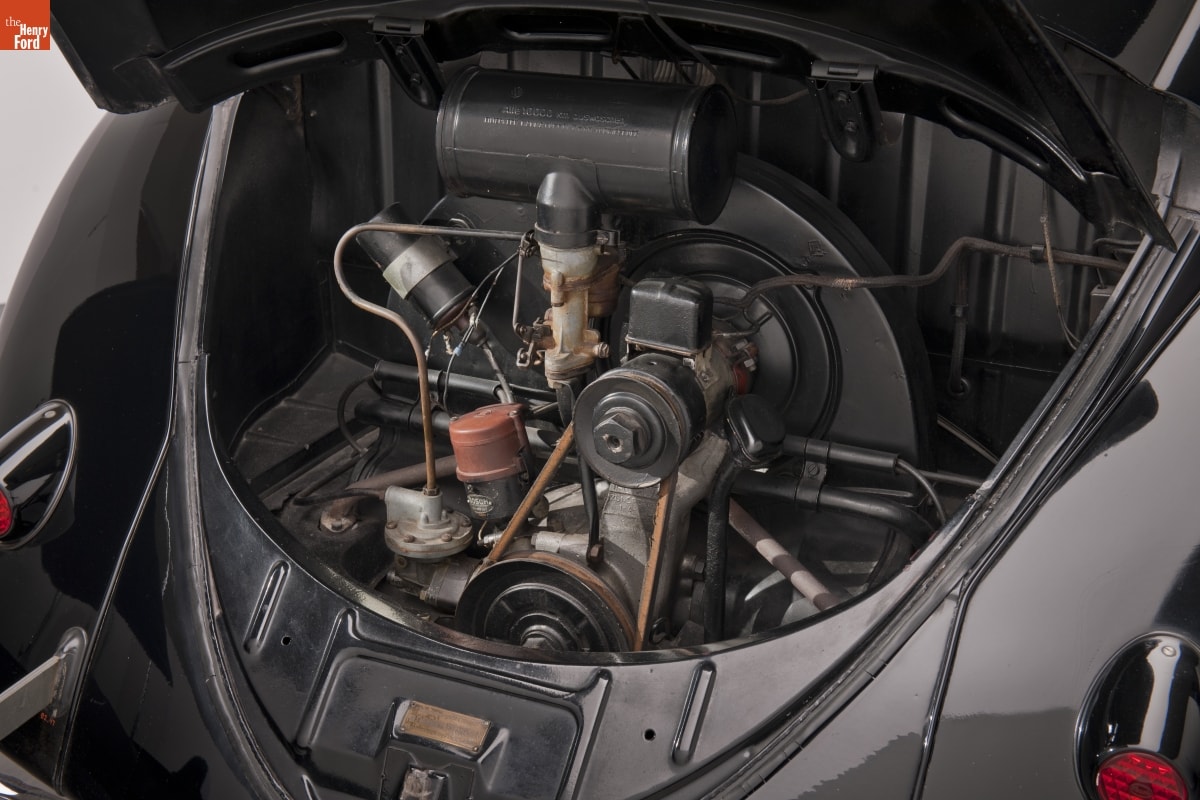
By American standards, almost everything about the Volkswagen was unconventional. That included the rear-mounted engine. Instead of a V-8 or an Inline-6, VW used a flat-4 “boxer” engine with horizontally opposed pistons and rods that looked a bit like prizefighters going at each other. The air-cooled motor was simple, efficient and highly adaptable, eventually powering everything from dune buggies to light airplanes.
Europe, 1940s, 20th century, Henry Ford Museum, Engines Exposed, engines, Driving America, cars, by Matt Anderson